In modern industrial workplaces, the boundaries between warehouses, workshops, and the production floor are fading. Businesses are seeking smarter ways to integrate materials handling, chemical storage, and workflow efficiently in spaces that must now serve multiple functions. For those managing dangerous goods, flammable aerosols, or compressed gases, this shift introduces new safety challenges and new responsibilities under Australia’s evolving Work Health and Safety (WHS) and Dangerous Goods (DG) regulations.
Creating a safe, organised, and compliant workspace doesn’t have to be complex. With a modular, standards-compliant storage system such as those offered by Krosstech, businesses can centralise hazardous materials, reduce clutter, and improve operational safety, all while meeting national compliance obligations.
A Smarter Way to Store in Mixed Use Environments
In a warehouse or workshop that handles chemicals, fuels, or pressurized cylinders, segregation and containment are essential. The latest Australian Dangerous Goods Code (ADG Code, Edition 7.9), which becomes mandatory from October 2025, and AS 4452:2025 for the storage and handling of toxic substances, both prioritise the use of structured, isolated spaces for substances that could combust, spill, or react dangerously.
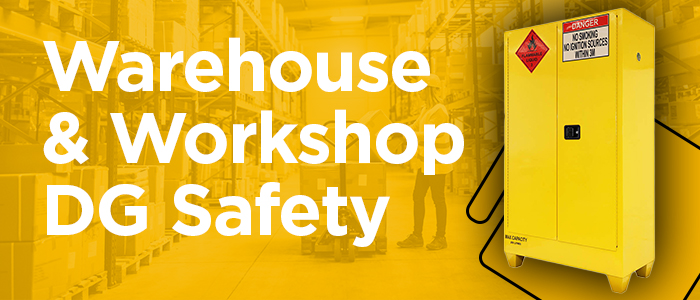
Krosstech’s modular solutions, including Dangerous Goods Cabinets, Gas Cylinder Storage Units, and Aerosol Storage Cabinets, allow facilities to create designated safety zones within multi-use environments. This modular approach makes it simple to expand or reconfigure layout as needs evolve, ensuring compliant spacing, secure containment, and easy access for authorised staff only.
Best Practice Guidelines for Dangerous Goods Storage
Industry regulators such as Safe Work Australia emphasize that hazardous goods must be stored in accordance with manufacturer instructions and Australian Standards, including:
- Segregation by Compatibility – Substances that can react dangerously (for example, acids and alkalis, oxidisers and flammables) must be stored in separate, clearly labelled compartments or cabinets.
- Spill containment and Ventilation – Cabinets must include a containment sump of at least 150mm depth to capture leaks or spills, as required by AS 1940:2017. Adequate ventilation helps prevent vapour build-up, particularly for gases and volatile liquids.
- Placarding and Labelling – Workplaces that exceed regulated quantities of hazardous chemicals (Schedule 11 under WHS Regulation 2025) must display warning placards and maintain a chemical manifest available for emergency services.
- Regular Inspection and Maintenance – Cabinets, racks, and storage zones must be checked routinely for corrosion, leaks, or structural compromise.
- Secure, Stable Foundations – Large or bulk storage units, especially gas and bunded cabinets, should be anchored securely to prevent tipping or structural movement.
When applied consistently, these principles not only meet compliance but also create working environments that prevent accidents and promote team confidence.
Krosstech’s Modular DG Storage Approach
Unlike traditional fixed storage setups, Krosstech’s modular storage systems make it easy to evolve your workplace layout as operations grow. A centralized storage zone, featuring designated DG cabinets, bunded racks, and segregated shelving, helps businesses maintain compliance while optimising floor space in mixed-use workspaces.
- Dangerous Goods Cabinets ensure compliant containment of flammable, corrosive, toxic, or oxidising materials.
- Gas Storage Cabinets keep pressurized cylinders secure, stabilised, and ventilated, minimizing asphyxiation or explosion risk.
- Aerosol Storage Cabinets provide controlled isolation of pressurised containers, protecting against heat, puncture, or accidental ignition.
Proactive storage management safeguards not only compliance but also productivity and team wellbeing. Whether transporting gas bottles, storing maintenance chemicals, or managing stock rotation, the key is designing zones that integrate safety into everyday operation.
By implementing modular, compliant, and centrally located storage, businesses can reduce risks, streamline logistics, and maintain alignment with evolving WHS standards. From warehouse floors to workshop benches, Krosstech helps organisations simplify safety and optimise space without compromise.