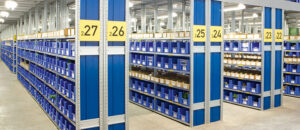
Smart ergonomics and proactive fatigue minimisation are essential strategies for enhancing both safety and operational efficiency when using pallet trucks, pallet jacks, and scissor lift tables in warehouses and industrial workplaces.
The Importance of Warehouse Ergonomics
Ergonomic risk factors in warehouse handling, such as forceful exertion, repetitive movements, twisting, bending, and awkward posturing, contribute to musculoskeletal injuries and reduce productivity. Heavy pallet loads and varied reach zones further amplify these risks, making both manual and mechanised handling equipment prime candidates for ergonomic improvement.
Best Practices with Pallet Trucks and Jacks
- Pushing is always safer than pulling – operators should push loaded pallet trucks rather than pull them to minimise spinal strain and enhance visibility, reducing trip and collision risk.
- Loads must be assessed; if a push force is excessive, split the load or use powered equipment to avoid muscle overexertion.
- Store loads at knuckle height to prevent unnecessary reaching, bending, or crouching.
- Always check and maintain the condition of wheels, handles, and hydraulic lifts before use.
- Centre and evenly distribute loads on the pallet for stability, and ensure pathways are clear of obstructions to allow smooth, safe movement.
Scissor Lift Table Strategies
- Use scissor lift tables to raise loads to optimal heights, eliminating awkward bending and reducing the need for manual lifting.
- Position tables so operators can work directly in front of loads to maintain neutral spinal alignment and prevent twisting.
- For repetitive or heavy tasks, consider motorised or automated lift tables to lessen physical strain and support worker stamina.
Fatigue Minimisation for Safer Operations
- Schedule regular breaks and job rotation to prevent fatigue buildup. Prolonged repetitive handling is a leading cause of warehouse injuries.
- Encourage team members to alternate between tasks that use different muscle groups to reduce muscle strain and improve alertness.
Smart Technologies and Culture
- Adopt IoT (internet of things) sensors and smart controls that monitor operator behaviour, detect overexertion, and automate reminders for scheduled breaks, fostering a safety-focused culture.
- Regular ergonomic training and toolbox talks keep best practices top-of-mind and empower staff to identify and address fatigue risks.
By prioritising smart ergonomics and fatigue management, warehouse and industrial teams can significantly reduce the incidence of injury, support worker wellbeing, and improve productivity, demonstrating a true commitment to, “Safety – every job, every day.”
Disclaimer:
The information and recommendations provided in this blog article are based on current industry best practices and general guidelines for materials handling and workplace safety. These suggestions do not constitute official advice or policy from Krosstech and should not be interpreted as such. Krosstech expressly disclaims any liability for actions taken or not taken based on the content of this article. Readers are advised to consider their own operational requirements, consult with qualified safety professionals, and comply with relevant workplace health and safety laws before implementing any recommendations. Krosstech is not responsible for any direct or indirect loss, damage, or injury resulting from the use or misuse of information contained in this article.